
Selecting UPS capacity sounds simple until real equipment loads, future expansion and power factor enter the calculation. Choosing too little capacity can create overload risks, while excessive oversizing can increase capital and operating costs without delivering proportional benefits.
Businesses approaching a Three Phase UPS Distributor in Chennai should therefore complete a basic load assessment before finalising equipment.
Begin With the Actual Critical Load
List every device that will be connected to the UPS.
Do not automatically include all electrical equipment in the building. Focus on systems that must remain powered during interruptions or require protection from unstable input power.
Typical critical loads might include server racks, network infrastructure, automation controls, industrial computers, communication systems and selected medical or laboratory equipment.
Understand kW and kVA
UPS systems are commonly specified using kVA and kW ratings. These values are related, but they are not interchangeable.
The power factor of the UPS and connected equipment affects how much usable real power is available. Buyers should therefore verify both the kVA and kW capability of a proposed system rather than comparing kVA ratings alone.
Allow Capacity for Growth
A UPS running close to maximum capacity provides limited flexibility when new equipment is added.
Reasonable expansion capacity can help accommodate future loads without requiring immediate UPS replacement. However, buying a dramatically oversized system "just in case" can also be inefficient.
The appropriate margin depends on expected growth and the system's efficiency characteristics at partial load.
Examine Scalability
For larger Chennai facilities, modular or parallel-capable systems may provide another approach to expansion.
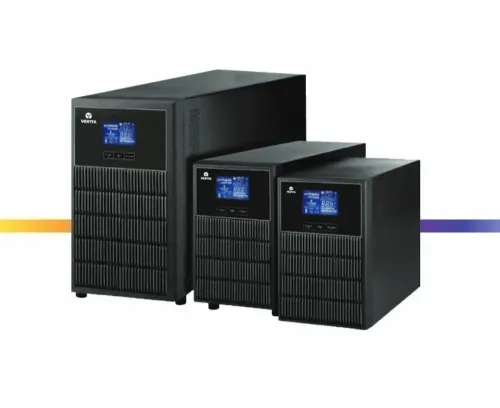
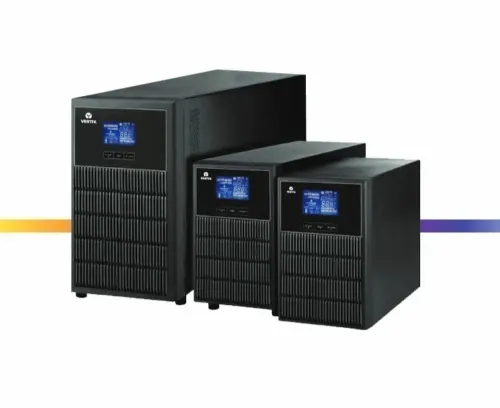
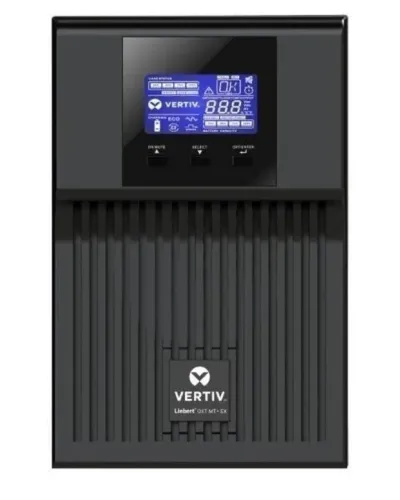
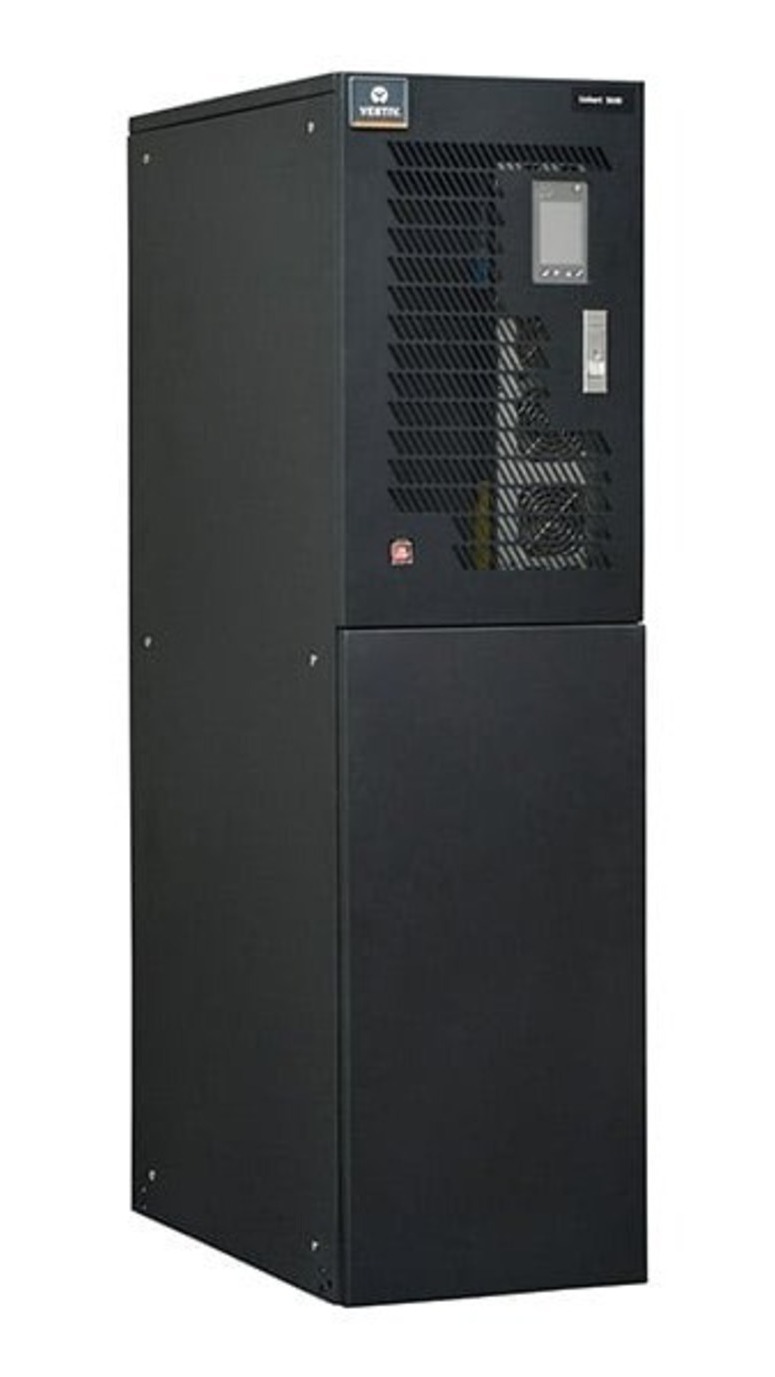
Originate Power Solutions lists three-phase Vertiv Liebert solutions with scalable configurations for critical environments. Some systems in its portfolio support parallel operation, modular architectures and high-capacity applications, providing options for organisations whose power requirements may change over time.
Do Not Forget Battery Runtime
Increasing UPS capacity does not automatically provide longer backup.
Battery sizing should be calculated according to connected load and required runtime. A business requiring only generator-bridging time may need a different battery arrangement from a facility expecting extended standalone operation.
Before selecting a three-phase UPS in Chennai, buyers should have four figures ready: current critical load, expected future load, desired backup time and electrical phase configuration.
These figures make distributor discussions more productive and help prevent both undersizing and unnecessary oversizing. The result is a UPS system planned around operational requirements rather than a capacity figure selected in isolation.