
When businesses compare three-phase UPS systems, focusing only on kVA can hide important differences between solutions. A Three Phase UPS Distributor in Mumbai should be evaluated on the suitability of the proposed configuration, not simply on whether a particular capacity is available.
The first comparison point is input and output configuration. Some applications need three-phase input and three-phase output, while others may require three-phase input feeding a single-phase critical load. Confirming the facility's electrical arrangement early prevents mismatched recommendations.
Efficiency is another important consideration. UPS systems protecting significant loads can operate continuously throughout the year. Higher operating efficiency can reduce electrical losses and the heat that must be managed within the UPS environment.
Power factor also deserves attention. A system with unity output power factor can provide a different usable kW relationship compared with a system rated at a lower output power factor. This is one reason kVA alone should never be used as the complete comparison metric.
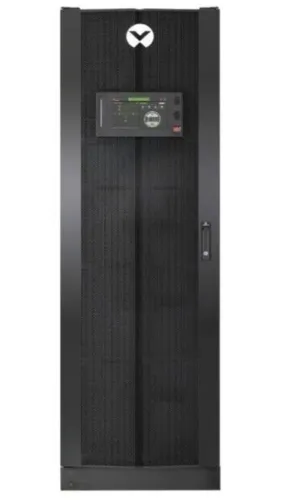
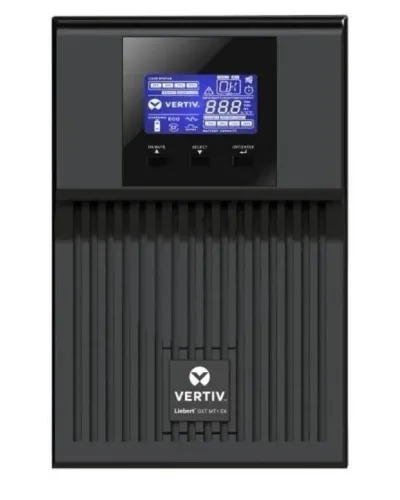
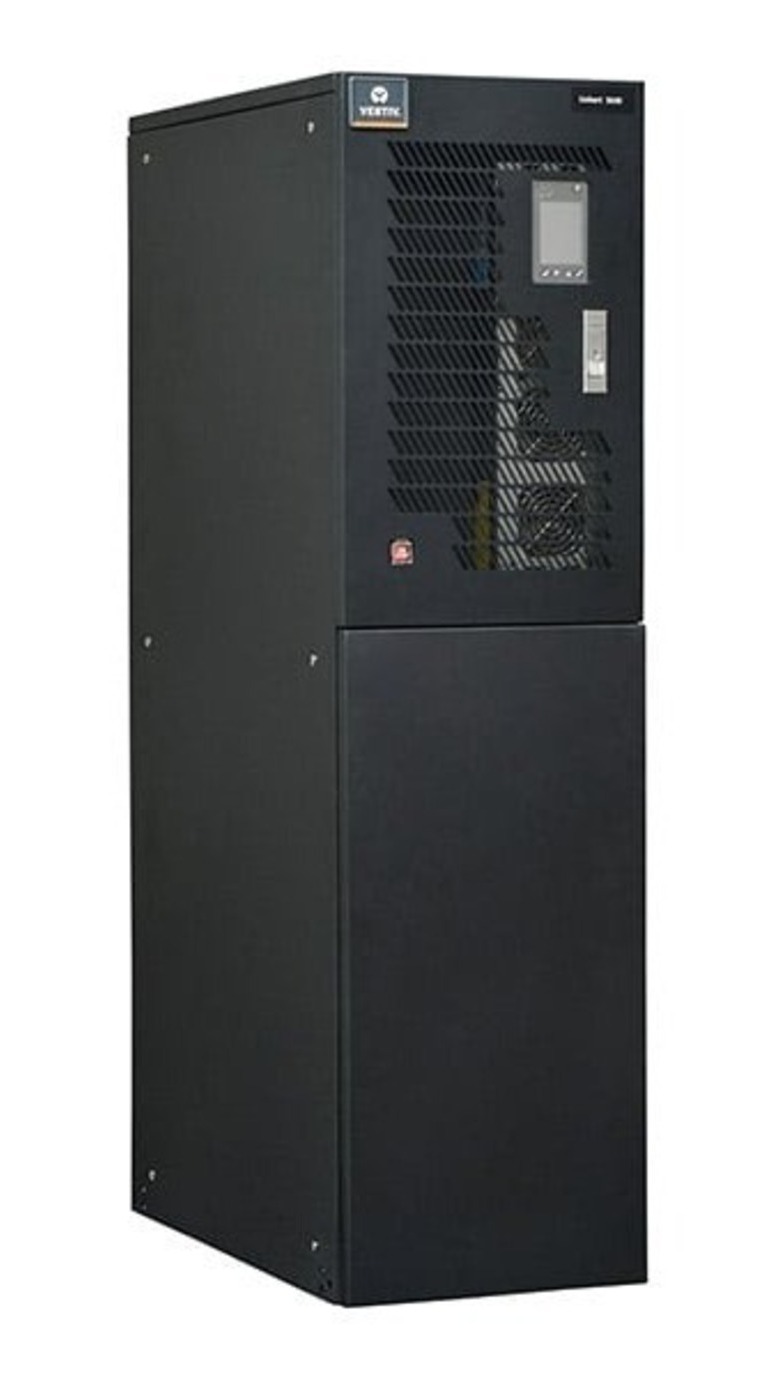
Originate Power Solutions lists a Vertiv Liebert ITA2 20 kVA model with IGBT-based double conversion architecture, unity output power factor and efficiency of up to 96.2% in double conversion mode.
Businesses should compare shortlisted systems across areas such as:
- Usable kW capacity
- Input and output phase configuration
- Double conversion efficiency
- Battery charging capability
- Input voltage tolerance
- Generator compatibility
- Monitoring features
- Installation footprint
- Service accessibility
- Expansion possibilities
Battery design should be reviewed alongside the UPS rather than as an afterthought. The appropriate battery bank depends on actual load and required autonomy. A business needing ten minutes of support has a fundamentally different requirement from one needing extended backup.
For facilities in Mumbai and elsewhere in Maharashtra, site conditions can also influence the final decision. Available electrical capacity, ambient temperature, ventilation, floor space and generator arrangements should be reviewed before installation.
A meaningful comparison therefore looks beyond purchase price. Initial cost matters, but operating efficiency, battery requirements, maintainability and suitability for the actual load influence long-term value.
Before requesting quotations, organisations can prepare a standard technical requirement and ask each provider to quote against the same parameters. This makes proposals easier to compare and helps procurement teams identify whether apparent price differences reflect genuinely different system configurations.