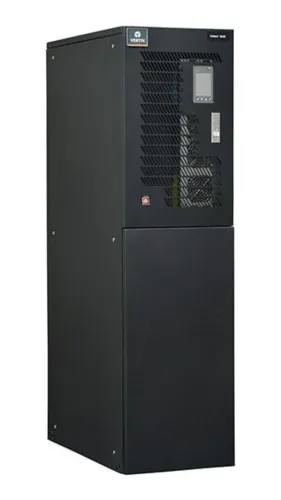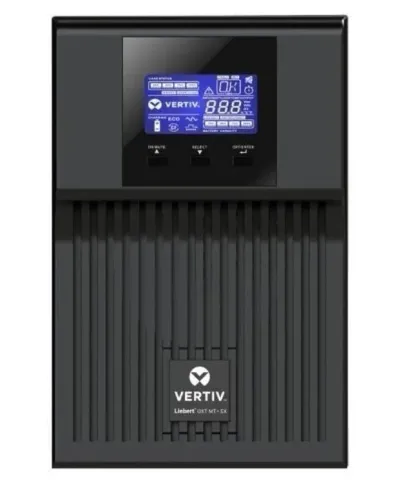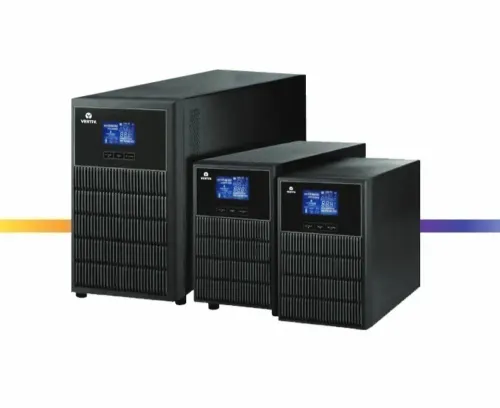

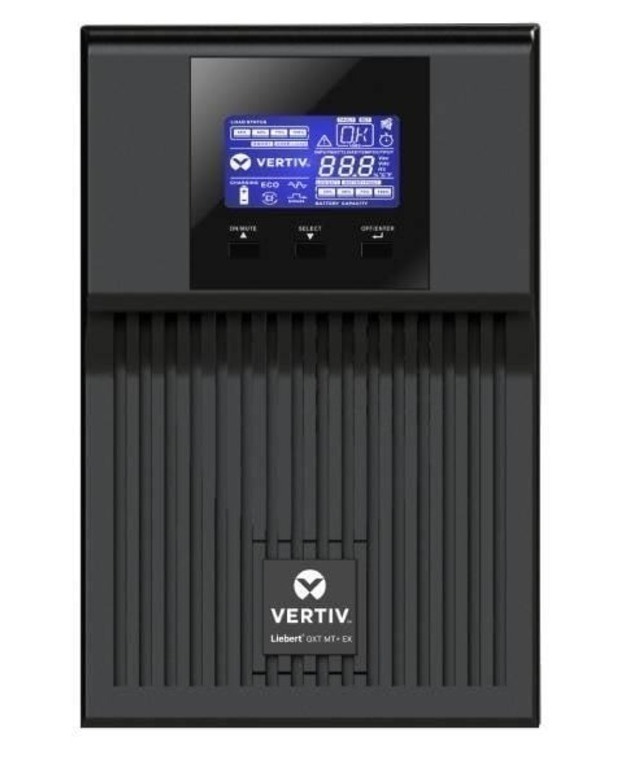
Industrial facilities often contain electrical and electronic equipment with very different operating characteristics. PLC systems, industrial computers, control panels, testing equipment, instrumentation, automation systems, communication networks, and process-monitoring devices may all respond differently to voltage disturbances or sudden power loss.
For this reason, choosing an Industrial Online UPS Manufacturer and Supplier in Pune should begin with understanding the load rather than immediately selecting a UPS rating.
Industrial Power Problems Can Affect More Than Production
A momentary interruption may seem insignificant, but sensitive control systems can react immediately. Depending on the application, unstable power may cause equipment resets, interrupted production sequences, loss of process information, communication failures, or unexpected shutdowns.
Online UPS systems are commonly considered for critical loads because they provide conditioned power through continuous power conversion.
However, not every machine or electrical load necessarily belongs on a UPS. High-inrush equipment and heavy electromechanical loads can have requirements very different from servers or electronic controllers.
Identify Critical Loads First
Industrial facilities can begin UPS planning by separating equipment into categories.
Critical control loads: PLCs, controllers, industrial PCs and process-monitoring systems may require uninterrupted operation.
Data and communication loads: Networking, servers and communication equipment can require stable power to maintain connectivity.
Sensitive instruments: Laboratory, testing and measurement equipment may benefit from controlled electrical supply.
Non-critical loads: Some equipment may tolerate a short interruption and therefore may not require UPS support.
This classification helps prevent unnecessary system oversizing.
Understand the Real Electrical Demand
UPS sizing should consider more than the sum of equipment nameplate ratings. Engineers may need to assess operating load, startup behaviour, power factor, load type, future expansion, required runtime, and redundancy expectations.
Battery backup duration is another important consideration. A facility with generator support may require a UPS primarily to bridge the period before the generator stabilises. Another operation may require significantly longer battery autonomy.
Pune's Industrial Environment Creates Diverse Requirements
Industrial areas across Pune and Maharashtra support automotive, engineering, pharmaceutical, electronics, manufacturing, logistics, and technology operations. Their power-protection requirements can vary substantially even when facilities appear similar in size.
Environmental factors also matter. Temperature, dust, ventilation, battery location, maintenance access, and electrical infrastructure should be reviewed during system planning.
Industrial UPS selection is therefore an engineering decision rather than a simple product purchase. Businesses should document their critical loads, acceptable downtime, backup requirement, and expansion plans before finalising equipment.
A well-planned industrial online UPS system supports continuity where it matters most while avoiding the cost and complexity of protecting loads that do not genuinely require uninterrupted power.