
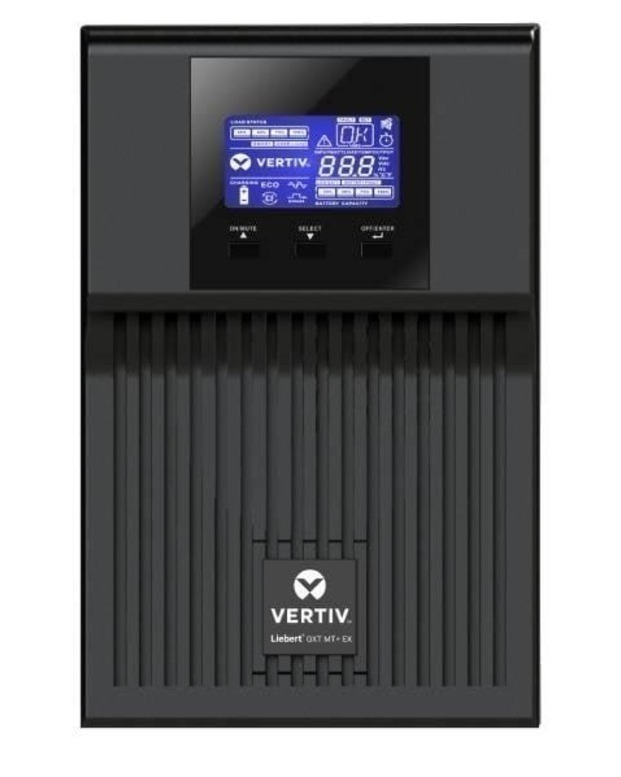
Industrial UPS projects can become expensive when important technical details are discovered only after equipment has been selected. Businesses evaluating Industrial Online UPS Dealers in Pune can reduce this risk by identifying common planning mistakes early.
1. Choosing Capacity Without Measuring the Load
Estimating load from the number of machines or devices can be misleading. UPS selection should be based on actual electrical requirements, load type, power factor, and operating conditions.
A documented load schedule provides a stronger basis for sizing.
2. Connecting Every Facility Load to the UPS
Not everything needs uninterrupted power. Critical electronic controls may require protection while other equipment can tolerate an interruption.
Separating essential and non-essential loads can reduce unnecessary UPS capacity and battery requirements.
3. Ignoring Starting Characteristics
Some industrial equipment can draw substantially different power during startup than during normal operation. The nature of the load should therefore be discussed before selecting a UPS.
4. Requesting Backup Time Without Operational Context
"Thirty minutes of backup" sounds straightforward, but the battery system needed depends on the connected load and operating conditions.
Backup duration should be linked to a practical requirement, such as generator startup, controlled shutdown, or continued operation during typical outages.
5. Forgetting Future Expansion
Industrial facilities change. New controllers, servers, instruments, production lines, or communication systems may be added.
Reasonable expansion capacity can be useful, although excessive oversizing should also be avoided.
6. Overlooking Installation Conditions
UPS equipment and batteries require appropriate space and operating conditions. Poor ventilation, excessive temperature, restricted service access, or unsuitable battery placement can create long-term issues.
7. Comparing Only Initial Price
A lower purchase price does not necessarily mean lower lifetime cost. Efficiency, battery replacement, maintenance, service accessibility, expected utilisation, and system life all affect the overall economics.
8. Treating Maintenance as an Afterthought
Industrial UPS systems should be periodically inspected. Batteries in particular require attention because their condition changes over time.
Pune and nearby Maharashtra industrial areas contain engineering, automotive, pharmaceutical, electronics, logistics, and manufacturing operations with very different critical-power requirements.
When evaluating UPS dealers, buyers should therefore ask whether the proposed configuration has been developed around the actual application. Originate Power Solutions can assess UPS requirements for businesses in Pune based on load, runtime, installation conditions and operational priorities.
Avoiding basic planning mistakes before procurement can improve system suitability and reduce the likelihood of costly modifications after installation.