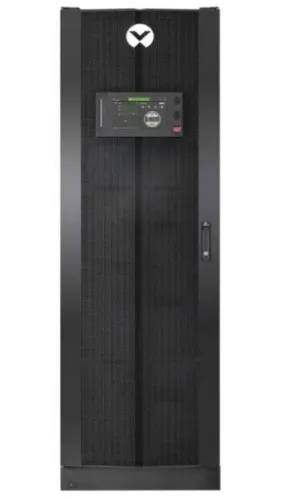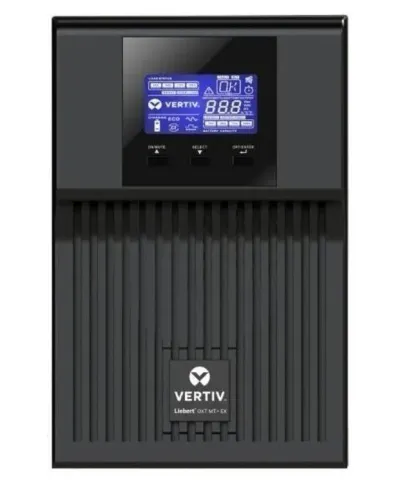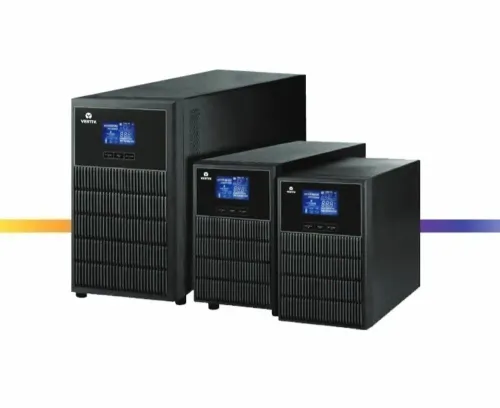

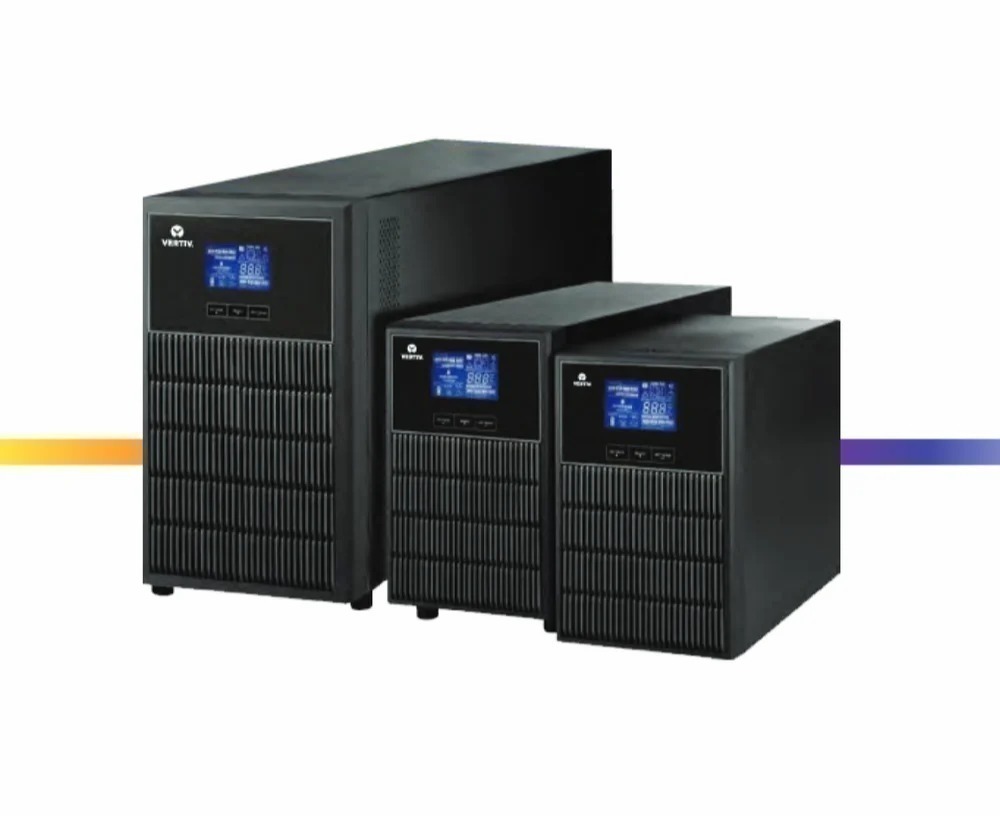
Power interruptions are more than a temporary inconvenience for businesses that depend on computers, servers, automated equipment, communication systems, laboratory instruments, or other sensitive electronics. Even a brief fluctuation can interrupt operations or cause equipment to restart unexpectedly. This is why many organisations consider an Online UPS Manufacturer and Supplier in Pune when planning dependable power protection.
An online UPS, or uninterruptible power supply, continuously conditions the incoming electrical supply before delivering power to connected equipment. Unlike basic backup solutions that activate only after the mains supply fails, an online UPS is designed to provide continuous power through its inverter.
How an Online UPS Works
A typical online UPS uses a double-conversion process. Incoming AC power is converted into DC power and then converted back into controlled AC power for the connected load. The battery is integrated into this power path so that backup can continue without a conventional switching delay when the mains supply fails.
This operating principle can help protect equipment against common electrical problems such as:
- Voltage fluctuations
- Sudden power failures
- Frequency variations
- Electrical disturbances
- Voltage surges and dips
- Unstable utility supply
The appropriate UPS configuration depends on the actual load and operating environment.
Where Online UPS Systems Are Commonly Used
Pune and the surrounding industrial regions of Maharashtra have a diverse mix of manufacturing plants, IT operations, healthcare facilities, laboratories, commercial offices, educational institutions, data infrastructure, and engineering businesses.
Online UPS systems may be considered for applications involving servers, networking infrastructure, diagnostic equipment, process-control systems, industrial computers, security infrastructure, communication equipment, and other loads where unexpected shutdowns can create operational problems.
Capacity Is Only One Part of UPS Selection
A common mistake is selecting a UPS primarily according to its stated kVA capacity. Actual system planning should also consider connected load, power factor, future expansion, battery backup duration, input conditions, equipment sensitivity, redundancy requirements, and installation environment.
For example, two facilities requiring the same UPS capacity may need very different battery arrangements if one requires only enough backup for safe shutdown while another needs extended operating time.
Why Installation Conditions Matter
Ventilation, available floor space, electrical distribution, earthing, battery placement, ambient temperature, and maintenance access can all influence long-term UPS performance.
Before selecting equipment, businesses should prepare an accurate load inventory and identify which systems genuinely require uninterrupted power. This creates a more reliable basis for discussing requirements with a UPS manufacturer or supplier.
For organisations evaluating power continuity in Pune, understanding the application first helps prevent both undersizing and unnecessary oversizing. A properly planned online UPS should match the electrical load, backup expectations, operating conditions, and future requirements rather than simply being chosen from a capacity chart.