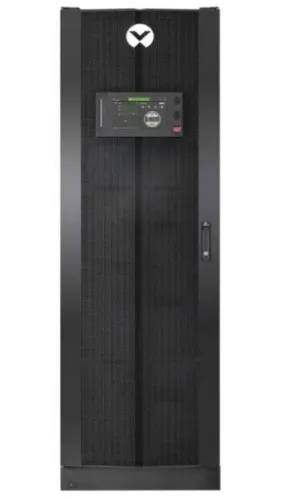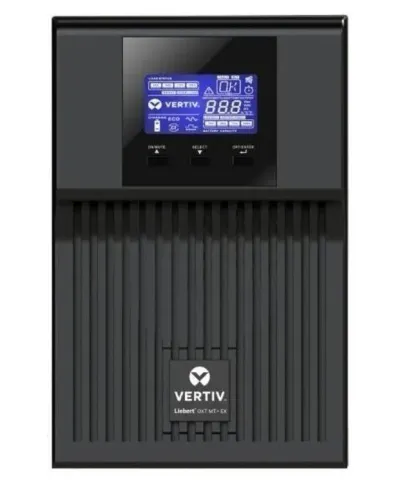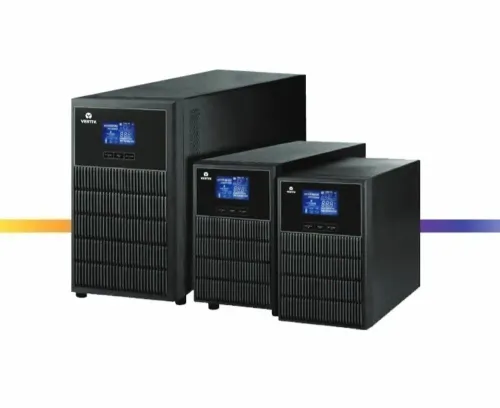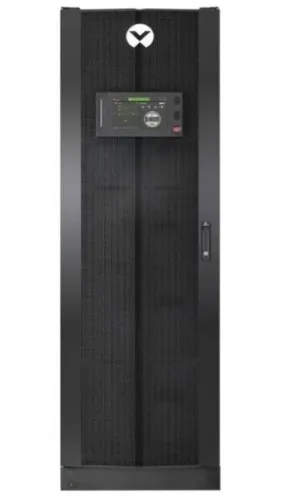

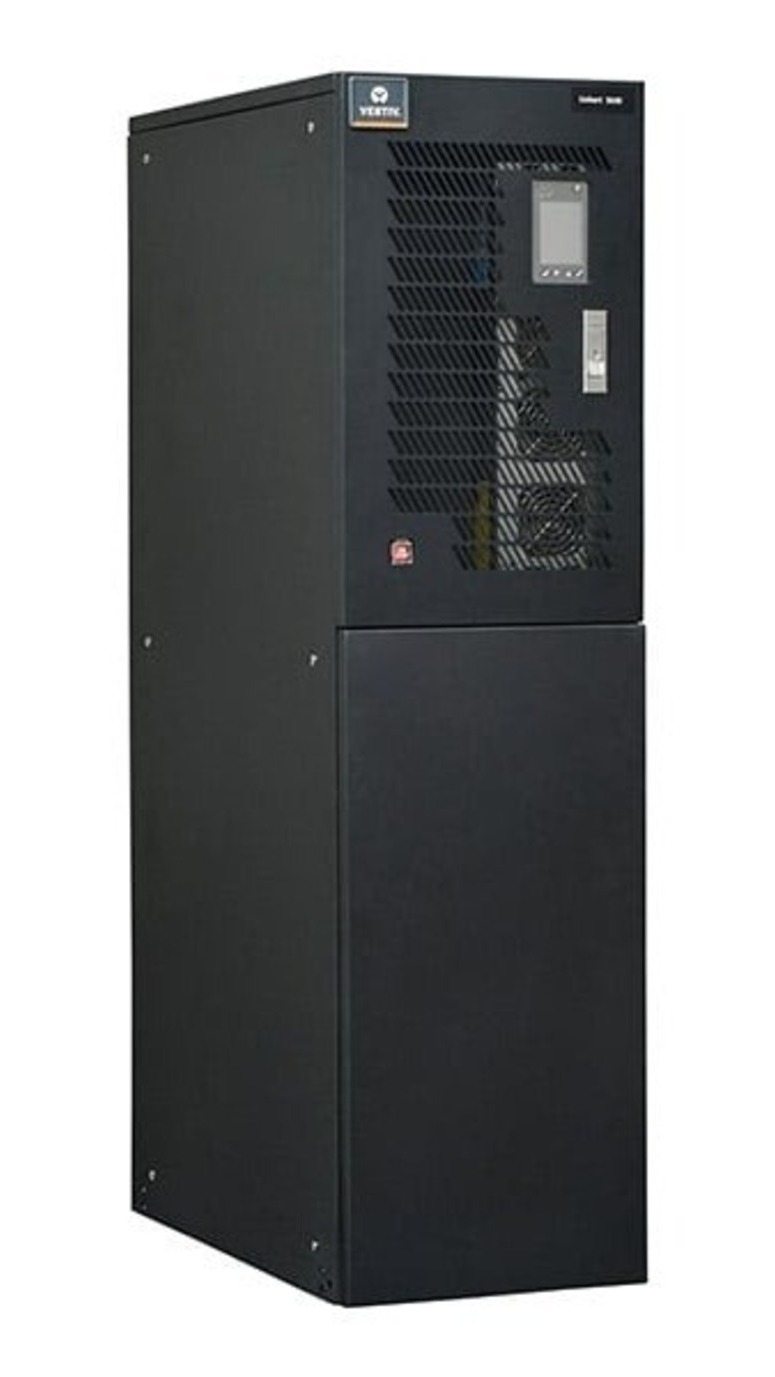
Three-phase electrical infrastructure is widely used in commercial and industrial facilities because it can support larger power requirements efficiently. When critical equipment within these facilities needs uninterrupted power, businesses may start evaluating a Three Phase UPS Manufacturer and Supplier in Pune.
The important question is not simply whether the building receives three-phase power. The UPS configuration should reflect the actual load, distribution system, required capacity, and continuity expectations.
What Is a Three Phase UPS?
A three-phase UPS is designed to operate with a three-phase electrical supply on its input, output, or both, depending on the system architecture.
These systems are commonly considered where power requirements are higher or where critical loads are distributed across industrial, commercial, technical, or infrastructure environments.
Potential applications include:
- Manufacturing control infrastructure
- Server and IT environments
- Healthcare equipment
- Telecommunications systems
- Process automation
- Testing facilities
- Large commercial operations
- Critical building infrastructure
The appropriate architecture depends on how power is distributed within the facility.
When Should a Business Consider Three Phase UPS?
A three-phase UPS can become relevant when critical loads exceed the practical capacity of smaller single-phase systems or when the existing electrical distribution is designed around three-phase power.
It may also help centralise protection for several critical loads. However, centralisation is not automatically the right choice. In some environments, multiple smaller UPS systems can provide operational flexibility.
That decision should be based on load distribution, redundancy requirements, maintenance strategy, and the consequences of a single UPS outage.
Check the Load Before Selecting Capacity
Businesses should document the actual load rather than estimating requirements from building size.
Important factors include:
- Current connected load
- Maximum expected operating load
- Power factor
- Nature of the connected equipment
- Required battery runtime
- Future capacity additions
- Redundancy requirements
Allowing reasonable expansion capacity can prevent early replacement, but excessive oversizing can increase acquisition and operating costs unnecessarily.
Site Conditions Matter Too
Facilities in Pune and Maharashtra should also assess incoming electrical conditions, earthing, ventilation, temperature, battery installation area, cable routing, distribution panels, and service accessibility.
These considerations become particularly important for larger UPS installations.
Before approaching a three-phase UPS supplier, organisations can prepare a basic electrical load schedule and identify which systems are genuinely mission-critical. This allows the proposed UPS configuration to be evaluated against measurable operating requirements.
A three-phase UPS is most effective when it forms part of a properly designed power-continuity plan rather than being treated as an isolated backup device.